

Early gay publications pushed back against police surveillance by creating safe spaces for community dialogue and legal resistance. These homophile magazines challenged the U.S. Postal Service and local law enforcement by distributing literature that was deemed obscene. They transformed private identities into public political statements. The Babblings of JT explores how these historical texts laid the groundwork for modern LGBTQ+ civil rights. For additional details, review the Checking your browser.
The Homophile Movement and the Birth of Public Voice
The homophile movement is a social movement that sought to achieve equal rights for gay men and women through public advocacy. Before the 1960s, LGBTQ+ individuals operated in secrecy due to severe social stigma and legal threats. Publications like The Ladder and One provided the first public platforms for these voices. They allowed readers to share personal stories without fear of immediate arrest. This shift from silence to speech was a direct challenge to the prevailing social norms.
These magazines were not just entertainment; they were survival tools. They helped build a sense of community among isolated individuals. By reading about others, people realized they were not alone. This collective identity was the first step toward organized political action. The movement focused on respectability and integration rather than radical disruption. This strategy was a calculated response to the hostile legal environment.
Postal Censorship as a Tool of State Control
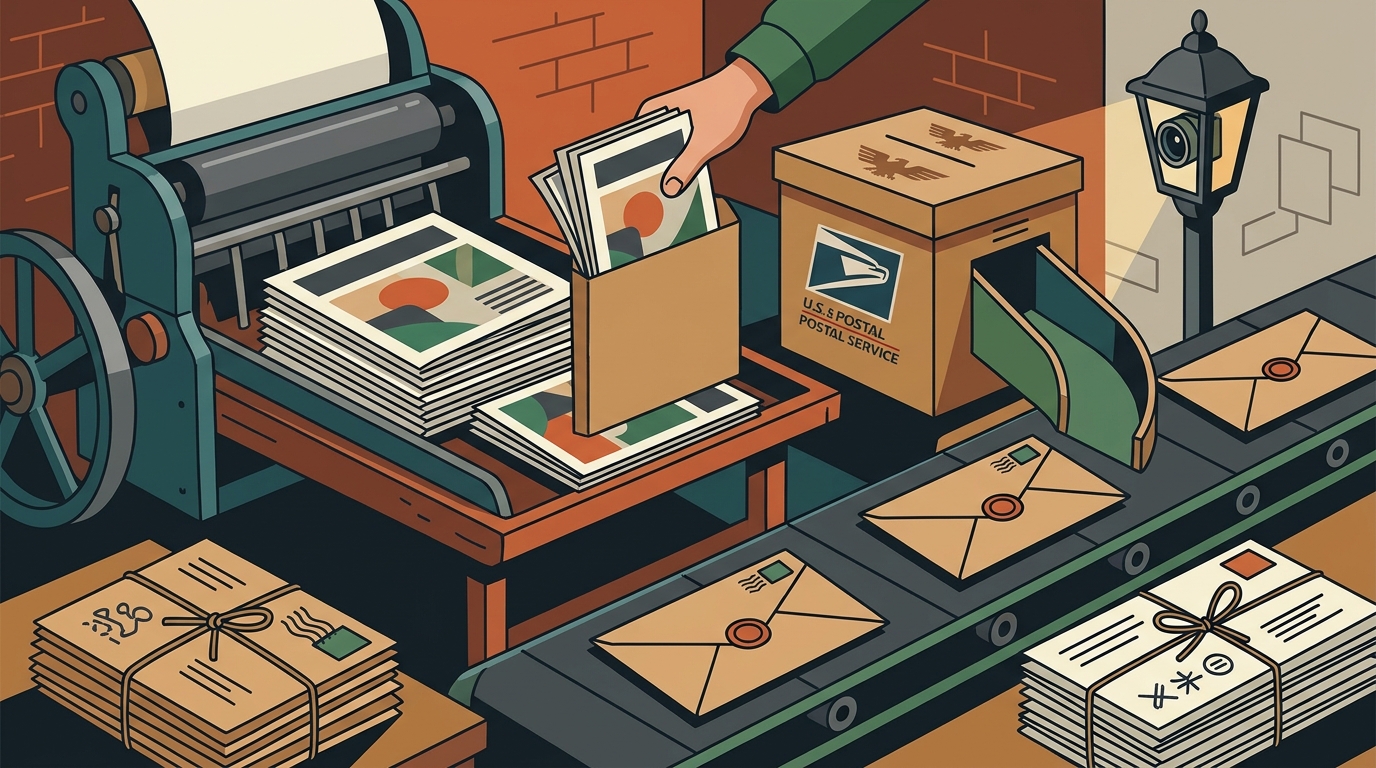
Postal censorship is the practice of inspecting and suppressing mail based on its content. In the 1950s and 1960s, the U.S. Postal Service actively blocked the distribution of gay literature. Officials labeled these materials as obscene and refused to deliver them. This created a significant barrier for the homophile movement. The government used the mail system to enforce social conformity. It treated sexual orientation as a matter of public safety rather than personal freedom. according to How Magazine Censorship
Research from Jason Shepard highlights how the U.S. Supreme Court’s views of the First Amendment during this era helped pave the way for the LGBTQ movement. The legal battles over mail delivery were crucial. They forced the government to define the limits of its power. The movement argued that the First Amendment protected their right to communicate. This legal framing shifted the debate from morality to constitutional rights. It set the stage for future victories in the courts.
Legal Challenges and the First Amendment
First Amendment litigation is the legal process of challenging government actions that restrict free speech. Homophile organizations filed numerous lawsuits to stop the postal censorship. They argued that their publications were protected speech. The courts were initially hesitant to rule in their favor. However, the persistence of these legal challenges began to erode the government’s position. Each court case brought the issue closer to a national conversation.
The legal analysis rooted in the law and society movement shows how social perceptions shaped policing. The intersection of vice and gender norms played a major role. Police used these laws to target gay individuals and their publications. The legal battles exposed the arbitrary nature of these definitions. They showed that the law was being used to enforce social control. This realization was a turning point for the movement. It demonstrated that the legal system could be a tool for liberation.
The Shift from Censorship to Community Building
Community building is the process of creating supportive networks for marginalized groups. As legal challenges progressed, publications began to focus more on community support. They provided resources for those facing police harassment. They offered guidance on how to navigate a hostile society. This shift was a practical response to the ongoing threats. It helped sustain the movement during difficult times.
The availability of these historical texts today allows for a deeper understanding of the past. A treasure trove of queer publications from the 50s, 60s, 70s, 80s, and 90s are now available through Reveal Digital’s open access collection “Independent Voices.” This digital archive preserves the legacy of these early activists. It allows modern readers to see the evolution of the movement. It connects the past struggles to the present day. This preservation is essential for historical accuracy and education.
Modern Implications for Civil Rights
Civil rights advocacy is the ongoing effort to secure equal treatment under the law. The lessons from the homophile movement remain relevant today. Modern LGBTQ+ groups continue to face challenges from law enforcement. The ACLU’s report on policing progress documents these ongoing experiences. It shows that the fight for equality is not over. The historical context helps us understand the current landscape. It reminds us that progress is often slow and difficult.
The Babblings of JT emphasizes the importance of understanding these historical roots. By studying the past, we can better navigate the present. The movement’s success was built on persistence and legal strategy. It shows that public voice can overcome state control. This history is a source of inspiration for current activists. It demonstrates the power of collective action. The legacy of these early publications is a testament to human resilience.
Key Takeaways
- Early gay publications challenged postal censorship by asserting First Amendment rights.
- The homophile movement used respectability and legal strategy to gain public acceptance.
- Postal censorship was a primary tool used by the state to suppress LGBTQ+ voices.
- Legal battles over mail delivery helped shift the debate to constitutional grounds.
- Digital archives like Reveal Digital preserve the historical record of these publications.
- Modern civil rights advocacy builds on the legal foundations laid by early activists.
- Community building was essential for sustaining the movement during periods of repression.
Frequently Asked Questions
What was the homophile movement?
The homophile movement was a social movement in the mid-20th century that sought equal rights for gay men and women through public advocacy and legal challenges.
How did the U.S. Postal Service censor gay publications?
The U.S. Postal Service blocked the distribution of gay literature by labeling it as obscene and refusing to deliver it to recipients.
Which early publications were most influential?
Publications like The Ladder and One were among the most influential early gay magazines that challenged censorship and built community.
What role did the First Amendment play?
The First Amendment provided the legal basis for challenging postal censorship, arguing that gay publications were protected speech.
Where can I find historical gay publications today?
Historical gay publications are available through digital archives such as Reveal Digital’s “Independent Voices” collection.
How does this history relate to modern civil rights?
The legal strategies and community building efforts of the homophile movement laid the groundwork for modern LGBTQ+ civil rights advocacy.
Conclusion
The early gay publications that defied police surveillance were a cornerstone of the LGBTQ+ rights movement. They transformed private identities into public political statements. Their legacy continues to influence modern civil rights advocacy. The Babblings of JT invites you to explore these historical narratives and understand their relevance today. Visit The Babblings of JT to read more about the intersection of history, law, and social justice.