

Legal Protections and Policy Frameworks for Sex Workers and Vulnerable Populations
Legal protections for sex workers and vulnerable populations are defined by the specific jurisdiction, the criminalization status of sex work, and the availability of labor rights. The Babblings of JT explores how these frameworks shape access to healthcare, safety, and dignity. Understanding these rules is essential for navigating a complex legal landscape that often prioritizes punishment over protection.
The Spectrum of Legal Models
The legal status of sex work varies significantly across the globe, creating distinct environments for safety and rights. Decriminalization is the complete removal of criminal penalties for the consensual exchange of sexual services between adults. This model is widely recognized by human rights organizations as the most effective approach for protecting workers. By removing the threat of arrest, workers can report violence to police without fear of being prosecuted themselves.
In contrast, the criminalization model treats sex work as a crime, often targeting the workers rather than the clients or the exploiters. This approach drives the industry underground, making it difficult for workers to access legal protections or medical care. The legalization model attempts to regulate the industry through licensing and zoning, but it often fails to protect workers from stigma and abuse. Each model carries different implications for the safety and autonomy of those involved. according to Amnesty International publishes
Labor Rights and Workplace Safety
When sex work is decriminalized, workers gain access to standard labor protections that are otherwise denied to them. These rights include the ability to form unions, negotiate contracts, and report unsafe working conditions. Workplace safety is a critical component of these frameworks, ensuring that workers can operate in environments free from violence and coercion. Access to these rights allows workers to advocate for better pay, safer conditions, and respect in the workplace.
Without these protections, workers are often left vulnerable to exploitation by third parties. The lack of legal standing prevents them from seeking redress when their rights are violated. By integrating sex work into labor law, jurisdictions can create a more equitable environment where workers are treated as professionals rather than criminals. This shift is crucial for reducing the power imbalances that often lead to abuse.
Public Health and Access to Care
Legal status directly impacts the ability of sex workers to access healthcare services. In criminalized environments, fear of arrest often prevents workers from seeking medical attention or reporting health concerns. Public health frameworks that prioritize decriminalization allow for better integration of sex workers into the healthcare system. This leads to improved health outcomes and reduced transmission of sexually transmitted infections. Access to regular check-ups and preventive care is a fundamental right that should not be contingent on legal status.
Research indicates that decriminalization leads to better health outcomes for sex workers and the broader community. When workers can access care without fear, they are more likely to engage with health services. This not only protects their own health but also contributes to public health goals. The connection between legal status and health access is a key area of focus for advocates and policymakers alike.
Intersecting Vulnerabilities and Stigma
Sex workers often face intersecting forms of vulnerability, including poverty, homelessness, and discrimination. Stigma is a powerful force that shapes how these individuals are treated by society and the legal system. It can lead to social exclusion, making it difficult for workers to find housing, employment, or support. Addressing these intersecting vulnerabilities requires a holistic approach that goes beyond legal reform. It involves changing societal attitudes and providing comprehensive support services.
The impact of stigma is profound and far-reaching. It affects not only the workers themselves but also their families and communities. By challenging stigma and promoting understanding, society can create a more inclusive environment. This is a central theme in the work of JT Santana, who explores how stigma shapes the way people are treated by systems. Understanding these dynamics is essential for creating effective policy frameworks.
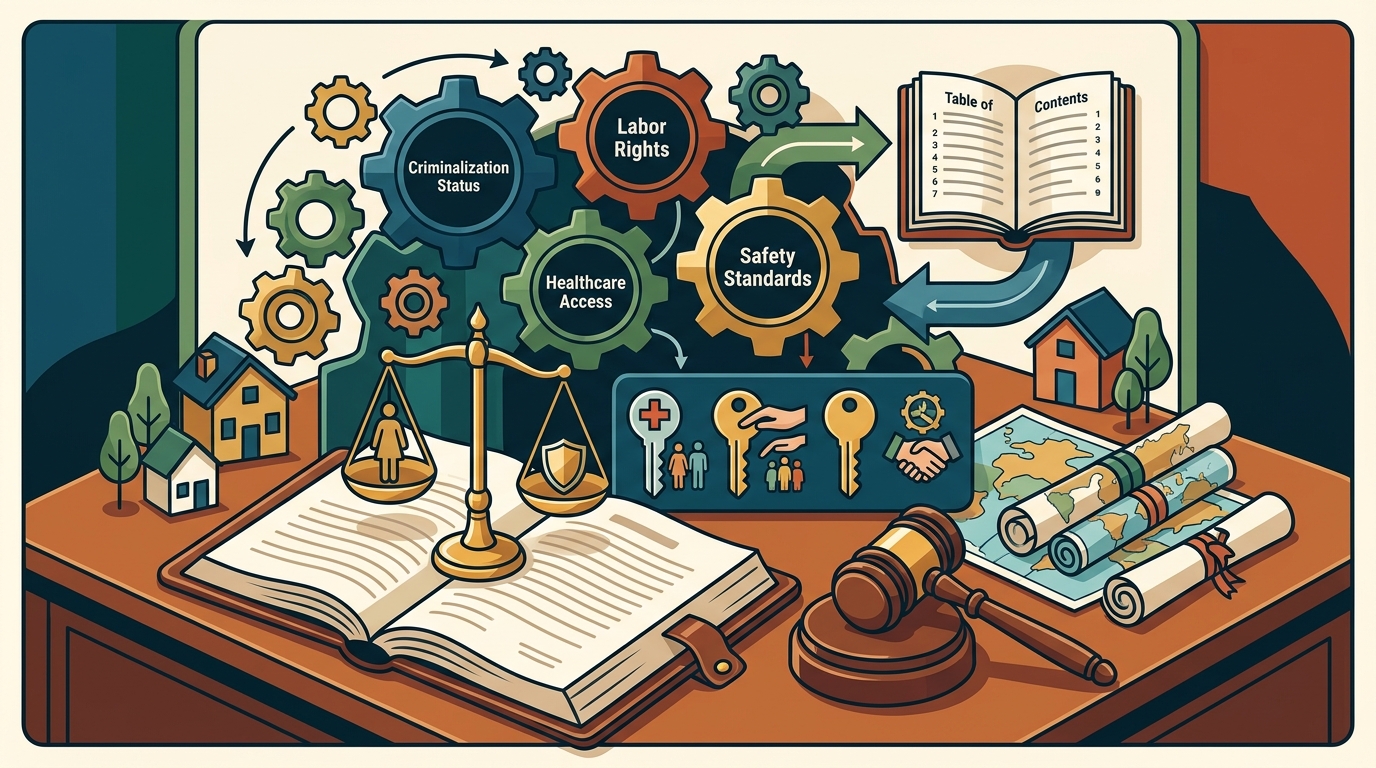
Policy Frameworks and Advocacy
Effective policy frameworks for sex workers and vulnerable populations require a multi-faceted approach. This includes legal reform, public health initiatives, and social support services. Advocacy plays a crucial role in driving these changes, as workers and their allies work to influence policymakers and public opinion. By sharing their stories and experiences, advocates can humanize the issue and build support for reform. This grassroots approach is often more effective than top-down policy changes.
Collaboration between different sectors is also essential for creating comprehensive support systems. This includes partnerships between healthcare providers, legal aid organizations, and social service agencies. By working together, these organizations can provide a safety net for workers who are most at risk. The goal is to create a system that prioritizes the well-being and dignity of all individuals, regardless of their legal status or background.
Key Takeaways
- Decriminalization is the most effective legal model for protecting sex workers' rights and safety.
- Labor rights, including the ability to form unions, are crucial for workplace safety and dignity.
- Access to healthcare is directly linked to legal status, with decriminalization leading to better health outcomes.
- Stigma and intersecting vulnerabilities, such as poverty and homelessness, require a holistic approach to support.
- Advocacy and collaboration between different sectors are essential for driving policy change and creating comprehensive support systems.
Frequently Asked Questions
What is the difference between decriminalization and legalization?
Decriminalization removes all criminal penalties for sex work, while legalization regulates it through licensing and zoning. Decriminalization is generally considered more protective of workers' rights.
How does legal status affect access to healthcare?
In criminalized environments, fear of arrest often prevents workers from seeking medical care. Decriminalization allows for better integration into the healthcare system, leading to improved health outcomes.
What are the main labor rights for sex workers?
These include the right to form unions, negotiate contracts, and report unsafe working conditions. These rights are crucial for ensuring workplace safety and dignity.
How does stigma impact sex workers?
Stigma leads to social exclusion and makes it difficult for workers to find housing, employment, or support. It is a powerful force that shapes how workers are treated by society and the legal system.
What role does advocacy play in policy change?
Advocacy is crucial for driving policy change by influencing policymakers and public opinion. By sharing their stories, advocates can humanize the issue and build support for reform.
Conclusion
Understanding the legal protections and policy frameworks that apply to sex workers and vulnerable populations is essential for creating a more just and equitable society. The Babblings of JT continues to explore these complex issues, connecting them to broader themes of stigma, public health, and social justice. By engaging with these topics, readers can gain a deeper understanding of the challenges faced by these communities and the importance of advocating for their rights. For more insights on these critical issues, visit The Babblings of JT to connect with the community.