

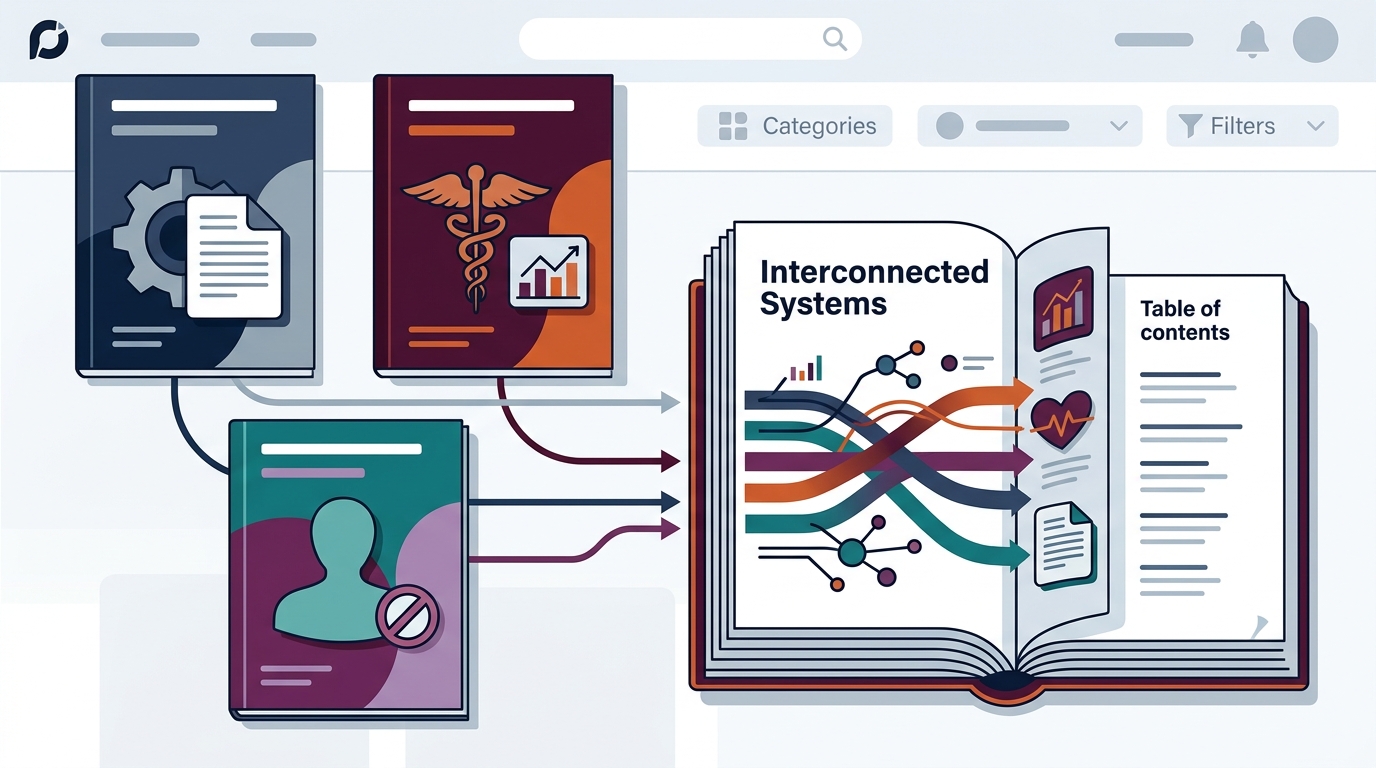
Independent publications covering politics, public health, and stigma are rare because most media outlets separate these topics into distinct departments. The Babblings of JT is a digital editorial platform that treats these subjects as interconnected systems rather than isolated boxes. This guide explains how to identify, evaluate, and utilize independent media sources that bridge civic commentary, health equity, and social stigma.
How to Choose a Publication
Choosing an independent publication requires looking beyond headlines to examine structural integrity. A good option connects political policy to human outcomes, while a bad one treats these as separate silos. Stigma is a well-documented barrier to health seeking behavior, engagement in care, and adherence to treatment across a range of health conditions globally. When a publication fails to link political rhetoric to these health barriers, it misses the core mechanism of social harm.
Editorial Independence
Intersectional Framing
Effective independent media treats identity, systems, and lived experience as shaping real-world outcomes. A publication that covers politics, public health, and stigma in the same place must demonstrate an intersectional framework. This means analyzing how a political decision affects a specific demographic's access to care. For example, a policy on housing should be analyzed for its impact on mental health stability and the stigma associated with homelessness. according to A qualitative study
What to Ask Before Committing
Before dedicating your attention to a new source, ask specific questions about their methodology and intent. These questions help filter out noise and identify substantive analysis.
Questioning the Source
Ask who funds the publication and how that funding influences the editorial calendar. Ask if the writers have lived experience with the topics they cover. Lived experience provides a grounded view of how stigma operates in everyday life, especially in places where traditional policy discussions often miss the human cost. If the writers are detached from the communities they describe, the analysis may lack necessary nuance.
Questioning the Scope
Determine if the publication covers the full lifecycle of an issue. Does it cover the policy proposal, the implementation, and the long-term social consequences? A comprehensive source will not stop at the political win or loss; it will track the downstream effects on public health and social dignity.
How to Verify Claims and Credentials
Verification is a critical skill for readers of independent media. You must check that a claim or credential is real before accepting it as fact.
Checking Author Credentials
Review the author's bio for specific, verifiable details. Look for links to previous work, academic affiliations, or professional certifications. In the context of public health, authors should reference established frameworks or peer-reviewed data. If an author makes a sweeping claim about health outcomes, check if they cite primary sources or rely on secondary summaries.
Fact-Checking the Narrative
Cross-reference the publication's claims with other independent sources. If a publication claims a specific policy has reduced stigma, look for data from health organizations or academic studies that support or contradict this. Research on health stigma provides a baseline for what effective interventions look like. If the publication's narrative aligns with this data, it is more likely to be accurate.
How Editorial Processes Work
Understanding what happens, in what order, and how long it takes helps you trust the final product. Independent publications often operate with smaller teams, which changes the workflow compared to large newsrooms.
The Research Phase
The process begins with deep research. Writers gather data, interview experts, and review policy documents. This phase can take weeks or months for complex topics. The goal is to build a factual foundation that supports the narrative. In publications like The Babblings of JT, this phase involves blending public health communication with social systems analysis. according to Stigma among patients
The Drafting and Review Phase
After research, the writer drafts the piece. This is followed by an internal review process. Editors check for factual accuracy, tone, and clarity. In independent media, this review is often done by the founder or a small team of trusted editors. The final step is publication, where the piece is shared with the audience. according to Stigma and intersectionality
What It Costs to Support Independent Media
What drives the price up or down for independent media is the level of access and support you provide. Most independent publications are free to read but rely on donations or subscriptions for sustainability.
Free vs. Paid Access
Free access is the standard for most independent blogs and digital platforms. The cost to the reader is time and attention. Paid subscriptions may offer ad-free experiences, early access to content, or exclusive deep dives. The price of a subscription is usually driven by the cost of production, including research time and editing.
Donations and Grants
Many independent outlets rely on small donations from readers. These donations help cover server costs, software subscriptions, and freelance payments. Supporting these outlets through donations is a direct way to ensure their survival. The cost is minimal, but the impact on editorial independence is significant.
Common Mistakes and How to Avoid Them
Readers often make mistakes that undermine their ability to benefit from independent media. Avoiding these errors ensures you get the most value from your reading time.
Confirmation Bias
One common mistake is seeking out sources that only confirm existing beliefs. This creates an echo chamber that reinforces stigma and misunderstanding. To avoid this, seek out sources that challenge your assumptions. A good independent publication will present complex issues in a way that forces you to think critically, not just agree.
Ignoring the Methodology
Another mistake is accepting the conclusion without reading the methodology. If a publication presents a statistic, look for the source of that statistic. If the source is unclear or biased, the conclusion is suspect. Always read the footnotes and references. according to Publications Reports NAMI
Versus Mainstream and Partisan Alternatives
How this compares to the alternatives is a key factor in your media diet. Mainstream media and partisan outlets have different goals and structures.
| Primary Goal | Deep analysis and social change | Ad revenue and ratings | Political mobilization |
| Topic Integration | Interconnected systems | Siloed departments | Aligned with party line |
| Funding Model | Reader support/grants | Corporate advertising | Party donations |
For Specific Reader Situations
How the answer changes for a particular case depends on your specific needs and context. Different readers have different goals for their media consumption.
For Advocates and Organizers
If you are an advocate, you need sources that provide actionable insights. Look for publications that offer checklists, strategy guides, and case studies. These resources help you translate analysis into action. Stigma elimination is a key area where advocates need clear, research-informed narratives. according to Past Insights Publications
For Students and Researchers
Students and researchers need sources that are rigorous and well-cited. Look for publications that provide extensive bibliographies and link to primary research. This helps you build your own arguments on a solid foundation. Independent publications often serve as a bridge between academic research and public understanding. according to JSTOR for students
Rules and Protections for Readers
The rules, rights, or protections that apply to readers of independent media are largely self-imposed. There are no legal protections for media consumption, but there are ethical guidelines.
Right to Disconnect
You have the right to disconnect from any source that fails to meet your standards. If a publication begins to drift from its mission, you can stop reading it. This is a form of consumer protection. Your attention is a valuable resource, and you should only give it to sources that respect it.
Right to Critique
Local and Regional Specifics
What is specific to the areas served is a crucial factor in the relevance of the content. Public health and stigma are not uniform across regions. They are shaped by local laws, cultural norms, and economic conditions.
Regional Health Disparities
Look for publications that address regional health disparities. For example, rural areas may have different access to mental health care than urban areas. A publication that covers these local specifics provides a more complete picture. It helps you understand how national policies play out on the ground.
Community Context
Community context is also important. The stigma associated with a specific issue may vary by community. A publication that understands these nuances can provide more accurate and relevant analysis. This is where independent media shines, as they are often more attuned to local realities than national outlets.
Timing and Relevance
When to act and how timing changes the outcome is a key consideration for readers. The relevance of a publication can change over time.
Breaking News vs. Long-Form Analysis
During breaking news events, you may need quick updates. However, for complex issues like public health and stigma, long-form analysis is more valuable. It provides the context and depth that breaking news often lacks. Timing your reading to coincide with the publication of long-form pieces can be beneficial.
Policy Cycles
Policy cycles also affect timing. When a new policy is proposed, it is a good time to seek out analysis. This is when the stakes are highest and the need for clear information is greatest. Independent publications often provide this analysis during these critical windows.
Results Over Time
Measurable outcomes and what to expect long term are the ultimate test of a publication's value. The results of reading independent media are not always immediate.
Shift in Perspective
Over time, you may notice a shift in your perspective. You may begin to see the connections between politics, public health, and stigma that you previously missed. This shift is a measurable outcome. It indicates that the publication is doing its job.
Increased Engagement
You may also find yourself more engaged in civic life. You may be more likely to vote, volunteer, or advocate for change. This increased engagement is another measurable outcome. It shows that the publication is not just informing you, but empowering you.
Key Takeaways
- Independent publications that cover politics, public health, and stigma are rare and valuable.
- Look for editorial independence and intersectional framing when choosing a source.
- Verify claims and credentials by checking author bios and cross-referencing data.
- Understand the editorial process to trust the final product.
- Support independent media through donations or subscriptions to ensure their survival.
- Avoid confirmation bias and ignore the methodology at your own peril.
- Local and regional specifics are crucial for understanding the real-world impact of policies.
Frequently Asked Questions
What is the best independent publication for politics and public health?
There is no single best publication, as it depends on your specific interests. However, platforms like The Babblings of JT are known for their deep integration of these topics. Look for publications that explicitly state their mission to connect these areas.
How do I know if a publication is truly independent?
Is it safe to read independent publications?
Yes, it is safe to read independent publications. However, you should always verify claims and cross-reference information. Independent media is not immune to bias, so critical thinking is essential.
How can I support independent media?
What is the role of stigma in public health?
Stigma is a major barrier to public health. It prevents people from seeking care and adhering to treatment. Addressing stigma is a key component of effective public health policy.
How does politics affect public health?
Politics affects public health through policy decisions. These decisions determine access to care, funding for research, and the regulation of health products. Political rhetoric can also shape public attitudes toward health issues. according to Comparing perceived public